
The Issue
Intimate partner violence has been a tragedy that affects many Americans yearly.
According to https://ncadv.org 20 people per minute are abused by an intimate partner leading to about 10 million men and women affected each year.
One of the many reasons of violent behaviors in romantic relationships is witnessing or enduring violence as a child, studies have shown.
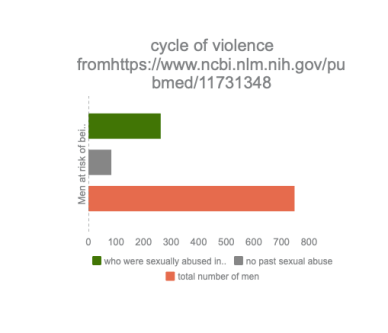
Maxine Davis, Assistant Professor in the School of Social Work at UT Arlington said there is a positive correlation between experiencing or witnessing violence during one’s childhood to becoming a perpetrator of intimate violence in the individuals adolescence or adulthood.
Domestic Violence Doesn’t Discriminate
Relationship Violence and Sexual Assault Awareness Assistant Director Jessica Sanchez said that an eye-opening case for many women was the pop culture duo Chris Brown and Rihanna when Brown was charged with assaulting Rihanna.
That it doesn’t just happen to unhappy couples but domestic violence affects more people, and doesn’t spare celebrities either, Sanchez said.
“Domestic violence could affect anyone irrespective of sex, race, age, sexual orientation, class,” Jessica Williams, Social Work Doctoral Student & Research Assistant at UT Arlington said. “It doesn’t discriminate, no.”
Sanchez said her father grew up in an abusive household and that even though he never became a perpetrator in the same way her grandfather was, there were definitely times where he showed signs of emotionally abusive behaviors towards her mother.
She said they decided to acknowledge the behaviors, and have her father recognize his triggers and also make sure her mom knew not to let that escalate.
The Cause
That abuse could be in the forms of neglect, physical abuse by an authority figure, watching violence between parents or close relationships, she said.
Davis said that social learning theory, where a child learns through witnessing and feeling the actions and behaviors of others, are picked up and the individual would be more likely to exhibit that kind of behavior in the future.
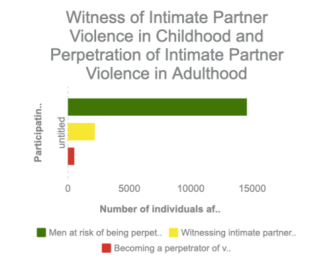
Williams, said there’s a small percentage of individuals who witness or endured violence that become perpetrators than those who don’t but it’s still something to look at.
“But there is some whether they weren’t getting the proper services when they were victimized, they will develop those different maladaptive, not the best relationship skills which ends up translating into some kind of violence in their intimate relationships,” Williams said.
Williams said there’s different kinds of violence, which includes physical violence but isn’t limited to that.
Intimate partner violence could be sexual, emotional, mental and also include economic control, she said.
“Verbal or emotional abuse is anything that would put someone down, heavy constant criticism, really anything that is going to be hurtful and emotionally damaging that is said,” Williams said.
One of the reasons behind this cycle is that, for many of these perpetrators, maladaptive and unhealthy behaviors were normalized in their childhood and which leads to them reenacting them in their adult lives, Davis said.
Preventive Measures or Possible Curative Measures
“One of the things that we know has an influence on reducing violence perpetration is developing accountability and empathy within folks who have acted abusively,” Davis said.
For children who were abused or witnessed intimate partner violence, it is important to identify them as high-risk and intervene with them through therapy and education to prevent the cycle of violence, she said.
Sanchez said a lot of time dealing with these issues depends on the nature of the crime but also whether the person was a first time offender or more than once.
Recognition and seeking help is an important step to recovery in terms of domestic violence, Williams said.
“Someone who may question, well oh, is my behavior with my partner unhealthy and the first thing to do would be to go to a counselor,” Williams said.
For those found guilty by the law, there are different penalties based on the case ranging from jail time, to community service, anger management and intervention programs.
The way to bring about change is by being open to having those conversations and tackle the issue of domestic violence, Williams said.
Information about getting help
For more information and receiving help about the topic
National Domestic Violence Hotline – https://www.thehotline.org or 1-800-799-7233
 Keyuri Parab